Progress being made to improve the lives of babies, children, young people and families in Moray has been shared with Fiona Duncan, Independent Strategic Advisor to The Promise, during a visit to the area.
Fiona, who chaired the Independent Care Review which examined what needs to change in Scotland’s care system, was welcomed to Moray on Friday 18 September as part of her programme of visits to all 32 local authority areas in Scotland.
The Independent Care Review listened to more than 5,500 people before making its recommendations in 2020. The Promise that followed committed to ensuring that all children grow up loved, safe and respected, with Scotland accountable for keeping that promise by 2030.
The national tour is an opportunity for Fiona to hear directly from children, young people, and adults who have experience of care about what is working, what needs to improve and what support is needed to make lasting change.
Her Moray programme included a visit to a PEEP parenting session, where she saw early years family support funded through the Whole Family Wellbeing Fund in practice. She also visited a local Children’s House and the Moray Adapted Curriculum (MAC) flexible learning base in Elgin.
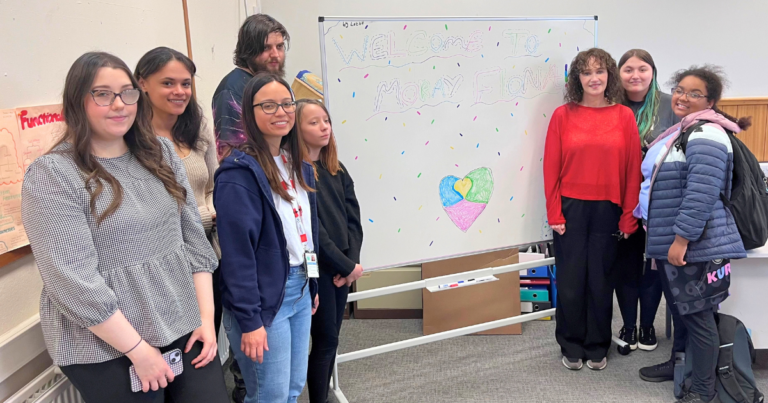
At UHI Moray, Fiona met with young people involved in Promise groups and the Champions Board and heard about their active role in creating change, including how they had designed and delivered a five-week summer holiday programme for their peers, providing opportunities to demonstrate leadership, creativity and connection.
Curtis, who is care experienced and now works with organisations supporting young people, said: “It was good for young people who are going through care, and those who have moved on from care, to meet Fiona and talk about what things are like for them.
“It’s about being able to say: this is how it felt before The Promise, this is what feels different now, and this is what still needs to happen.”
During her Moray visit, Fiona also met staff working in local services and elected members and senior leaders from the council and health & social care partnership to explore the progress being made locally to keep The Promise and the challenges that remain.
Moray is strengthening its approach to working with children, young people and families to make sure lived experience is not just heard, but leads to positive change in services and practice. This is reflected in the new three-year Moray Children’s Services Plan, due to be published shortly, which has been shaped by what people have said would make the biggest difference to their lives.
Young people have an active role in staff recruitment and service development, including the Moray Children’s Rights Service, and recently helped shape the new Rose Cottage family space in Elgin. They influenced its design and layout to create a welcoming, trauma-informed environment.
They also co-produced Maintaining Relationship guidance supporting them to stay connected with people who have been important in their lives. This has enabled young people to maintain relationships with trusted professionals, including social workers, residential staff, teachers and police officers, and celebrate important milestones together, including transitions into further and higher education and graduations.
At Cala, a change in practice means young people know they can return for support when they need it, not only in a crisis. Returning to the house is now recognised as a normal part of ongoing support, helping young people maintain connections with staff and peers, and creating opportunities for mutual support.
Councillor Kathleen Robertson, leader of Moray Council: “Keeping The Promise is a responsibility we all share. We must keep listening to children, young people and families and turning their experiences into meaningful improvements in practice and services.
“We welcomed the opportunity to show Fiona the progress being made in Moray, while also being honest about the challenges we face, including workforce pressures, resources and the difficulty of sustaining long-term change.”
Councillor Bridget Mustard, Vice-chair of Moray Integration Joint Board, which is responsible for integrated health and social care services for children and adults, said: “We have made progress in Moray, but we know there is more to do. Keeping The Promise means looking at how our services work together around children, young people and families, and whether the support we provide is making a real difference to their lives.
“Fiona’s visit gave community planning partners a valuable opportunity to reflect on what we are learning and how we can continue to improve the way we work across Moray.”
Looking ahead, Care Experienced Week in October will provide a further opportunity to celebrate the contribution of children, young people and adults with care experience and continue conversations about what is needed to keep The Promise.
Reflecting on her visit, Fiona said: “What came across from everyone in Moray is how absolutely determined they are to ensure The Promise is kept.
“The discussions with senior staff and councillors were really interesting. They explained how they are working to connect good practice to longer-term strategy, and we also discussed the level of change needed to keep The Promise and what that means for organisational culture.
“It was lovely to spend time with babies, children, young people and their families, care experienced adults and the workforce to hear their views on the work to keep The Promise. This included people who had been involved in the Independent Care Review and who are now influencing the changes The Promise is calling for.
“Scotland is over halfway to when The Promise must be kept. There is not a minute to waste, so it’s vital that good practice can be replicated and barriers understood and overcome.”
Moray Health & Social Care Partnership Communications